Effective Date and Scope of the Tax
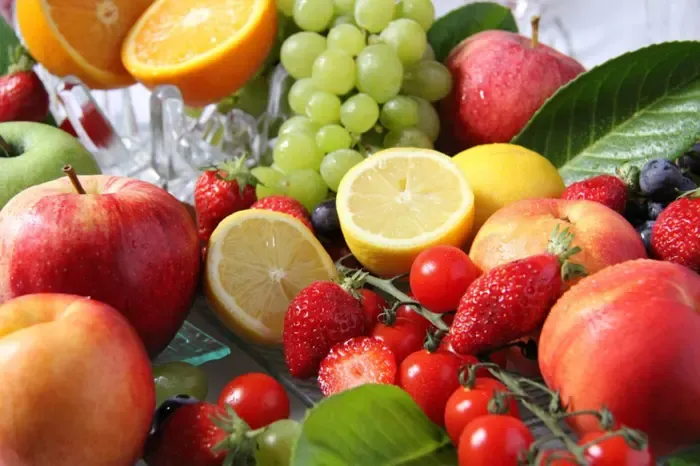
Starting on July 1, 2025, imported fruits will be taxed 5%. Here’s everything you need to know.
Local Fruits Remain Exempt
On July 1, 2025, Malaysia’s increased Sales and Service Tax (SST) regime will add a 5% sales tax on fruits that are brought into the country. This shift is part of the government’s bigger plan to overhaul the tax system so that it collects more money and encourages people to buy local goods.
The tax is only on fruits that come from other countries. Fruits grown in the area, like bananas, pineapples, papayas, and even strawberries from Cameron Highlands, will still not be subject to sales tax. This difference is aimed to promote the use of local options and help farmers in the country.
Impact on Consumers
This could mean that everyday people will have to pay more for imported foods like apples, grapes, kiwis, and cherries. For example, a pack of imported fruit that used to cost RM10 may now cost RM10.50. Even while the difference may seem modest, it adds up for families who buy these things often, especially because the cost of living is going higher.
Impact on Businesses
Supermarkets, cafes, juice bars, hotels, and caterers that sell or use imported fruits will also feel the effects. As their suppliers costs go up, these enterprises may need to rethink how they price their goods. They can think about switching to fruits that are grown nearby so that they can keep prices low for clients while still following the new tax rules.
Essential Goods Remain Tax-Free
It’s important to remember that other fundamental foods, such rice, wheat, sugar, salt, meat, and cooking oil (both locally made and imported palm oil), are not subject to sales tax because they are considered basic needs.
What You Can Do?
The new law will go into force soon, so both consumers and businesses should start making plans. Being knowledgeable about your SST obligations and changing the way you shop can help make the transition easier and help you make better financial decisions.